Author: aa.aspect

  • The Power of User Feedback Loops in Product Development 

    The Power of User Feedback Loops in Product Development 

    Introduction 

    In today’s customer-centric digital economy, the process of developing a product does not end at its launch. Instead, it continues to evolve, driven by user feedback and real-world interaction. User feedback loops have become indispensable for ensuring product relevance, performance, and sustainability. At aa-aspect, user-centric design and continuous product optimization are at the heart of our strategy. This article explores how leveraging feedback loops refines development, boosts innovation, and delivers measurable success. 

    What Are User Feedback Loops? 

    User feedback loops refer to the systematic collection, analysis, and integration of user input into product development. These loops close the gap between what a product offers and what its users need. 

    User feedback loops typically follow this structure: 

    • Collect: Gather feedback via surveys, reviews, analytics, or support tickets. 
    • Analyze: Identify trends, pain points, and user behavior. 
    • Act: Apply insights to improve the product. 
    • Loop: Repeat continuously for iterative development. 

    Why Feedback Loops Matter in Product Development 

    Products designed in isolation are often detached from real-world use. With structured feedback mechanisms, developers can tailor features, streamline UX, and resolve pain points before they become problems. For example, a Harvard Business Review study found that companies integrating feedback loops reduced their iteration cycles by 45% and improved customer retention by 30%. 

    The aa-aspect Approach to Feedback Loops 

    At aa-aspect, feedback loops are embedded into every development phase, from ideation to post-deployment. Our agile workflow supports rapid response and version releases, aligned with user experience. 

    Real-Life Example from aa aspect 

    In 2023, aa-aspect launched a SaaS-based logistic optimization tool designed for last-mile delivery. Despite robust features, user adoption was slower than expected. Through user interviews and session recordings, we discovered that the onboarding process was confusing, and the dashboard appeared cluttered. Based on this feedback: 

    • We simplified the onboarding into three intuitive steps. 
    • The dashboard was redesigned with role-based widgets. 
    • We added an in-app chatbot for real-time help. 
    • Within one quarter, user satisfaction rose by 42%, and product usage increased by over 60%. 

    Types of Feedback Loops 

    1. Passive Feedback Loops 

    These include app analytics, user behavior heatmaps, and error logs. They provide indirect but valuable feedback without user input. 

    2. Active Feedback Loops 

    Active loops require user involvement, such as forms, pop-up surveys, or NPS ratings. They offer direct insights into user experiences. 

    3. Longitudinal Feedback 

    In long-term development, longitudinal loops help track user satisfaction over time. Tools like cohort analysis or recurring interviews enable this. 

    Common Tools for Building Feedback Loops 

    While aa aspect customizes its tech stack based on project scope, common tools include: 

    • Hotjar & FullStory for session replay and heatmaps 
    • SurveyMonkey & Type form for active feedback 
    • Intercom for in-app messaging 
    • Jira for integrating product updates into development sprints 

    Integrating Feedback into Agile and DevOps 

    User feedback does not just benefit UX teams. It powers sprints and defines product backlogs. In an agile setup, feedback informs standups, sprint planning, and retrospectives. With DevOps, user feedback loops can even impact CI/CD pipelines, enabling near-real-time iterations. 

    Challenges in Managing Feedback Loops 

    • Volume Overload: Not all feedback is actionable. Prioritization is essential. 
    • Conflicting Feedback: Different users want different things. Product managers must filter and balance demands. 
    • Analysis Paralysis: Too much data can delay action. Analytics tools and frameworks help mitigate this. 

    As aa-aspect, we address these challenges using a prioritization matrix and AI-based sentiment analysis, helping teams focus on high-impact updates. 

    The Future of Feedback Loops: Predictive Feedback 

    As feedback ecosystems evolve, predictive modelling enters the picture. With AI and machine learning, organisations can forecast user pain points before they emerge. For instance, aa aspect is currently testing predictive UX features in healthcare and logistic software, aiming to pre-empt user drop-off with adaptive interfaces. 

    Wrapping Up 

    User feedback loops are more than a development tactic; they are a strategic necessity. They promote adaptability, user satisfaction, and product excellence. As aa-aspect, feedback is not just collected; it is transformed into action. With evolving digital tools and AI, the power of user feedback will only grow stronger. 
  • Global Standards in Process Management: ISO, ITIL, and Beyond 

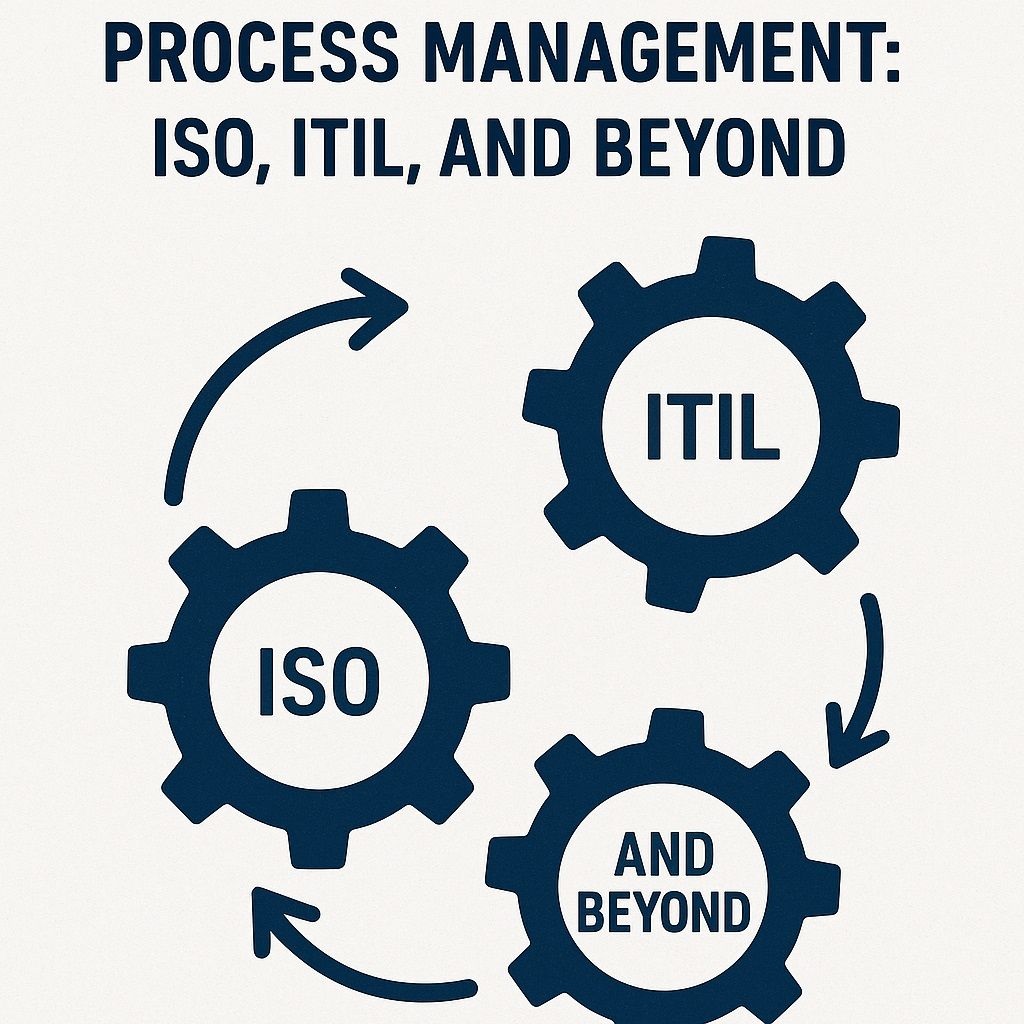
    Global Standards in Process Management: ISO, ITIL, and Beyond 

    In today’s interconnected and digitally dynamic world, achieving excellence in process management is no longer a luxury but a business imperative. Organisations, irrespective of their size or sector, must ensure that their processes are not only efficient and scalable but also compliant with global standards. The emergence and adoption of process management frameworks such as ISO (International Organization for Standardization) and ITIL (Information Technology Infrastructure Library) have given companies a structured foundation for improving quality, enhancing service delivery, and maintaining global competitiveness. However, the landscape of process management continues to evolve beyond ISO and ITIL, prompting the need for agile, industry-specific, and technology-enabled solutions. 

    According to the International Organization for Standardization, the ISO 9001 framework provides a globally recognised structure for managing quality and risk in complex process environments. At aa-aspect, this framework was instrumental in guiding our cross-departmental audit alignment in 2023, when we successfully streamlined multiple redundant workflows into a unified compliance model. 

    Global standards serve as the backbone of structured governance and operational efficiency. They allow businesses to align with international best practices, create consistency across departments and regions, and demonstrate a commitment to excellence to stakeholders and customers. ISO standards, for instance, are globally recognised guidelines that provide a benchmark for quality, environmental responsibility, information security, and more. Meanwhile, ITIL offers a detailed set of practices for IT service management (ITSM) that focuses on aligning IT services with the needs of the business. 

    The practical impact of adopting these standards can be profound. ISO 9001, the standard for quality management systems, ensures that a company consistently meets customer and regulatory requirements. ITIL’s approach to service strategy, design, transition, and operation enables IT departments to deliver value while managing risk. For industries like manufacturing, aerospace, and finance, such standards are not just recommendations but regulatory requirements. 

    Yet, one size does not fit all. As business operations become more complex and digitally integrated, traditional frameworks alone may not suffice. This is where companies must look beyond ISO and ITIL to consider lean methodologies, Six Sigma, COBIT (Control Objectives for Information and Related Technologies), and digital transformation standards like CMMI (Capability Maturity Model Integration). These frameworks address the growing need for agility, continuous improvement, cybersecurity, and customer-centricity. 

    An illustrative example of the challenges and the transformative power of global standards can be seen in a multinational manufacturing client that partnered with aa-aspect. The client faced compliance risks due to fragmented processes and poor integration of IT systems across its facilities in Europe, Asia, and North America. While they had previously implemented ISO 9001 and ITIL, these were done in silos and lacked a cohesive organisational strategy. As a result, the company suffered from data inconsistencies, inefficient workflows, and frequent quality audits failures. 

    aa-aspect stepped in to conduct a thorough process audit and maturity assessment. The goal was not only to ensure compliance with ISO and ITIL but to develop a future-ready process management ecosystem. By deploying a unified digital platform integrated with enterprise resource planning (ERP), aa-aspect restructured the client’s ITIL processes and realigned them with business goals. Moreover, we introduced elements from Lean and CMMI to foster a culture of continuous improvement. Through real-time dashboards and predictive analytics, the client could now monitor performance indicators across regions and swiftly identify areas of non-compliance or inefficiency. 

    The results were impressive. Within 12 months, the company saw a 40% reduction in operational waste, a 25% improvement in customer satisfaction scores, and most notably, passed every quality and security audit in all operating regions. The combination of global standards, modern tools, and aa-aspect’s strategic guidance allowed the organisation to transform its process management from a compliance task into a competitive advantage. 

    Furthermore, as the global business environment becomes more volatile and data-driven, the future of process management will require even tighter integration of standards and innovation. Artificial intelligence, machine learning, and Internet of Things (IoT) are creating new opportunities to enhance process visibility, automate decision-making, and proactively manage risks. Companies that view standards as a dynamic framework rather than a static checklist will be best positioned to adapt and lead. 

    For organisations looking to future-proof their operations, the key lies in not just adopting standards but embedding them into the DNA of the organisation. This means building cross-functional governance teams, leveraging data for insight-driven decisions, and continuously training employees on compliance and improvement methodologies. 

    At aa-aspect, we pride ourselves on guiding organisations through this evolving journey. Our approach is not about off-the-shelf solutions but about understanding the unique context of each client and crafting a customised roadmap that combines the best of ISO, ITIL, and beyond. Whether it’s meeting the rigorous demands of regulatory bodies, optimising service delivery, or preparing for digital audits, we empower businesses with the tools, strategies, and cultural mindset needed to thrive. 

    In conclusion, global standards in process management remain crucial for consistency, compliance, and competitiveness. But it is the strategic integration of these standards with modern practices and technologies that will define success in the years to come. By choosing a forward-thinking partner like aa-aspect, organisations can not only meet today’s standards but shape tomorrow’s best practices. 

  • FMEA in the Automotive Industry: Aligning with ISO 26262 and IATF 16949 Standards 

    FMEA in the Automotive Industry: Aligning with ISO 26262 and IATF 16949 Standards 

    In the rapidly evolving automotive sector, ensuring product safety and quality is paramount. Two critical standards, ISO 26262 and IATF 16949, provide frameworks for functional safety and quality management, respectively. Central to both is the application of Failure Mode and Effects Analysis (FMEA), a systematic approach to identifying and mitigating potential failures. At aa-aspect, our data-driven and compliance-focused approach integrates FMEA to help manufacturers navigate these standards confidently. 

    Understanding FMEA in the Automotive Context 

    Failure Mode and Effects Analysis (FMEA) is a proactive tool used to anticipate potential failure modes in products or processes, assess their impact, and implement corrective actions to mitigate risks. In the automotive industry, FMEA is integral to both design and manufacturing phases, ensuring that safety and quality are embedded from the outset. 

    ISO 26262: Functional Safety and FMEA 

    ISO 26262 is an international standard focusing on the functional safety of electrical and electronic systems in road vehicles. It mandates a safety lifecycle that includes hazard analysis, risk assessment, and the implementation of safety measures. FMEA plays a crucial role in this lifecycle by: 

    • Identifying Potential Failures: Systematic analysis of components and systems to detect possible failure modes. 
    • Assessing Risks: Evaluating the severity, occurrence, and detection of each failure mode to prioritise risks. 
    • Implementing Controls: Developing strategies to eliminate or mitigate high-priority risks, ensuring compliance with safety goals. 

    By integrating FMEA into the ISO 26262 framework, automotive manufacturers, and solution partners like aa-aspect, can systematically address safety concerns, enhancing the reliability of their vehicles. 

    IATF 16949: Quality Management and FMEA 

    IATF 16949 is a global standard for quality management systems in the automotive industry. It emphasises defect prevention, continuous improvement, and the reduction of variation and waste. FMEA aligns with these objectives by: 

    • Process Improvement: Analysing manufacturing and assembly processes to identify potential failures and implement improvements. 
    • Product Design: Assessing design elements to foresee and address possible issues before production. 
    • Customer Satisfaction: Ensuring that products meet customer requirements and expectations by proactively managing risks. 

    At aa-aspect, we work with automotive clients to embed FMEA into their quality strategies, enhancing their compliance with IATF 16949 and boosting customer satisfaction metrics. 

    Integrating FMEA with ISO 26262 and IATF 16949 

    While ISO 26262 and IATF 16949 have distinct focuses, functional safety and quality management, respectively, they both recognise the value of FMEA in achieving their objectives. Integrating FMEA into both standards involves: 

    • Cross-Functional Collaboration: Engaging teams from design, engineering, manufacturing, and quality assurance to conduct comprehensive FMEA studies. 
    • Standardised Methodologies: Utilising consistent FMEA procedures and documentation to ensure alignment with both standards. 
    • Continuous Monitoring: Regularly reviewing and updating FMEA analyses to reflect changes in design, processes, or regulations. 

    aa-aspect’s platform ensures that these integrations are seamless, offering real-time tracking, version control, and audit readiness for all FMEA documentation. 

    Benefits of Implementing FMEA in Compliance with ISO 26262 and IATF 16949 

    Adopting FMEA within the frameworks of ISO 26262 and IATF 16949 offers several advantages: 

    • Enhanced Safety: Proactively identifying and mitigating risks reduces the likelihood of failures that could compromise vehicle safety. 
    • Improved Quality: Systematic analysis of processes and designs leads to higher-quality products and fewer defects. 
    • Regulatory Compliance: Meeting the requirements of both standards ensures adherence to industry regulations and customer expectations. 
    • Cost Savings: Preventing failures early in the development process minimises costly recalls and warranty claims. 
    • Customer Trust: Demonstrating a commitment to safety and quality fosters confidence among consumers and stakeholders. 

    aa-aspect brings added value by automating much of the FMEA process and providing custom dashboards that align with compliance requirements while enhancing visibility and strategic decision-making. 

    🔧 Real-World Reference: How aa-aspect Helped an Automotive Supplier Streamline FMEA Compliance 

    In 2023, a Tier 2 automotive supplier based in Central Europe faced growing pressure from OEM partners to demonstrate stricter alignment with ISO 26262 functional safety requirements and the updated IATF 16949 quality framework. Their in-house risk analysis workflows were fragmented, spreadsheets lacked traceability, and corrective actions often came too late in the production cycle. 

    That’s where aa-aspect came in.  

    By implementing our integrated quality and risk management system, the supplier was able to automate FMEA processes, link real-time operational data to failure modes, and create live dashboards that mapped directly to their compliance obligations. 

    Our adaptive platform allowed their team to move from static documents to interactive and dynamic FMEA models, streamlining communication between design, production, and safety departments. Within six months, not only did they pass their ISO 26262 audit with zero major non-conformances, but they also reduced their defect recurrence rate by 37%, significantly improving customer satisfaction and process reliability. 

    This is just one example of how aa-aspect bridges the gap between quality strategy and execution, proving that digital tools, when built with the industry in mind, can be the difference between compliance and excellence. 

    Key Takeaway 

    In the automotive industry, the integration of FMEA into both ISO 26262 and IATF 16949 standards is essential for achieving functional safety and quality excellence. By systematically identifying potential failures and implementing corrective actions, manufacturers can enhance product reliability, comply with regulatory requirements, and meet customer expectations. Embracing FMEA as a core component of safety and quality management strategies positions organisations for success in a competitive and safety-conscious market. 

    As a trusted partner in digital transformation, aa-aspect empowers automotive leaders with tools and expertise that streamline compliance while driving measurable outcomes in safety, performance, and innovation. 

  • THE NEUROSCIENCE OF CONTINUOUS IMPROVEMENT: MOTIVATING TEAMS EFFECTIVELY IN QUALITY MANAGEMENT 

    THE NEUROSCIENCE OF CONTINUOUS IMPROVEMENT: MOTIVATING TEAMS EFFECTIVELY IN QUALITY MANAGEMENT 

    In the dynamic world of quality management, organizations often focus on systems, standards, and technologies. While these are vital, sustainable improvement hinges on the human element: motivation. At aa-aspect, we believe the key to continuous improvement lies in understanding the brain science that fuels employee engagement, learning, and resilience. 

    Let’s reimagine continuous improvement not just as a methodology, but as a neurocognitive experience. 

    Understanding the Brain: Why Neuroscience Matters in Quality Management 

    The brain is wired for patterns, rewards, and safety. Neuroscience shows us that motivation is not simply about incentives; it stems from a complex network of neural circuits. When quality management leaders understand how dopamine, cortisol, and oxytocin influence behavior, they gain the tools to foster intrinsic motivation and create environments where improvement feels natural. 

    Dopamine, the brain’s “reward” chemical, is released when we anticipate positive outcomes. When teams see how their actions directly influence product quality or customer satisfaction, dopamine reinforces that effort. Quality managers at aa-aspect use this principle to design feedback loops that make progress visible and rewarding. 

    Cortisol, the stress hormone, is triggered by fear, uncertainty, or constant pressure. A toxic quality culture built on blame or unrealistic targets activates this stress response, shutting down the brain’s ability to learn and adapt. At AA-Aspect, our quality management systems emphasize psychological safety, an environment where mistakes are seen as opportunities for learning rather than failures. 

    Creating Neuro-Friendly Environments for Continuous Improvement 

    Effective continuous improvement programs align with how the brain prefers to work. Instead of pushing teams harder, successful leaders create conditions that make optimal performance a by-product of good design. This means incorporating: 

    • Autonomy: Employees who have control over their processes are more motivated and innovative. Empowering quality teams to make decisions within set parameters activates the brain’s intrinsic motivation systems. 
    • Mastery: The brain thrives on learning and progression. Structured training programs and cross-functional projects stimulate neuroplasticity, helping team members build new skills and confidence. 
    • Purpose: People need to see the bigger picture. When quality improvement initiatives are linked to organizational values and real-world outcomes, they engage both the emotional and cognitive centers of the brain. 

    The Feedback-Reinforcement Loop 

    At the core of continuous improvement is feedback. Neuroscience teaches us that the brain learns best when feedback is timely, specific, and constructive. Quality management leaders who give vague or delayed feedback miss critical opportunities to shape behavior. 

    AA-Aspect embeds real-time feedback mechanisms into our digital quality systems. These tools help supervisors recognize wins and coach improvements as they occur. Over time, this builds a feedback-reinforcement loop that hardwires high-performance habits into daily routines. 

    How Motivation Sustains Long-Term Quality Culture 

    Sustained motivation isn’t just about enthusiasm; it’s about neurochemical consistency. Burnout often results when teams are flooded with cortisol and deprived of rewards or progress markers. That’s why our quality management philosophy at AA-Aspect integrates ongoing recognition, reflection, and refinement. It’s a cycle that mirrors the brain’s learning architecture. 

    When you make neuroscience part of your continuous improvement toolkit, you don’t just improve systems; you unlock human potential. Employees become more engaged, leaders become more empathetic, and the entire organization develops a growth mindset. 

    Tailoring Continuous Improvement with Neuroscience Insights 

    AA-Aspect works closely with organizations to embed neuroscience-backed strategies into their quality management systems. Whether through gamified dashboards, performance psychology workshops, or behaviorally designed SOPs, our goal is to make excellence a habit. We recognize that the future of quality management isn’t just digital, it’s biological. 

    Conclusion: This is where the Brain Meets Quality 

    The journey of continuous improvement is as much about mindset as it is about metrics. By harnessing the power of neuroscience, quality managers can inspire lasting behavioral change, foster team resilience, and embed a culture of excellence at every level. At AA-Aspect, we lead with science, support with systems, and deliver results through people. 

    Unlock the brainpower behind your quality systems. Partner with us at AA-Aspect, where innovation meets motivation. 

  • Product-Led vs. Sales-Led Growth: Building for Both 

    Product-Led vs. Sales-Led Growth: Building for Both 

    In the evolving landscape of modern business, especially in SaaS and tech-driven industries, understanding and implementing the right growth strategy is pivotal. Two dominant paradigms have taken center stage in recent years: product-led growth (PLG) and sales-led growth (SLG). While they may seem like competing models, the most successful companies are those that understand the strengths of each and learn to blend both approaches strategically. 

    At its core, this isn’t just a conversation about tactics, it’s about designing a scalable, sustainable go-to-market strategy that aligns with your product, market fitness, customer experience, and long-term goals. At aa-aspect, we’ve worked with numerous clients across industries who wrestle with choosing between these models. What we’ve found is that in many cases, it’s not about choosing one over the other, it’s about understanding how to build a hybrid model that leverages the power of both. 

    The Fundamentals of Product-Led Growth 

    Product-led growth is a strategy where the product itself is the primary driver of customer acquisition, conversion, and expansion. Companies embracing this model design their user experiences to be so intuitive, valuable, and frictionless that users become champions without ever speaking to a sales rep. This approach often relies heavily on freemium models, self-service onboarding, and data-driven user journeys. 

    Product-led companies focus on reducing the barriers to entry, enabling potential customers to experience the value of the product quickly. Features like in-app tutorials, real-time analytics, guided setups, and trial-to-paid upgrade paths are designed to move users through the funnel without external pressure. 

    This model is especially effective in SaaS and B2C technology businesses where users prefer to test before they commit. The rise of PLG pioneers like Slack, Zoom, and Dropbox has shown that the product can be the most powerful marketing and sales tool when properly optimized. 

    On the flip side, sales-led growth places human interaction at the heart of the customer journey. This model leans on direct engagement through account executives, solution consultants, and customer success teams to guide prospects through complex sales cycles. Sales-led approaches are particularly effective in high-ticket B2B markets, where decisions involve multiple stakeholders, regulatory considerations, and customized solutions. 

    Sales-led businesses thrive when relationships, tailored value propositions, and trust-building are central to the purchase process. While this model is often more expensive to scale due to the investment in sales teams and resources, it allows for greater control over pipeline quality, deal velocity, and customer retention. 

    The Key Differences 

    While both models aim to drive growth, their execution and expectations differ: 

    • Product-led growth emphasizes user autonomy, scalability, and self-service onboarding. 
    • Sales-led growth prioritizes personalized service, high-value deals, and complex problem-solving. 

    Each model has its own metrics for success. PLG businesses might measure product-qualified leads (PQLs), activation rate, and product usage, while SLG businesses focus on MQLs, SQLs, deal size, and sales cycle duration. 

    Why the Dichotomy is Outdated 

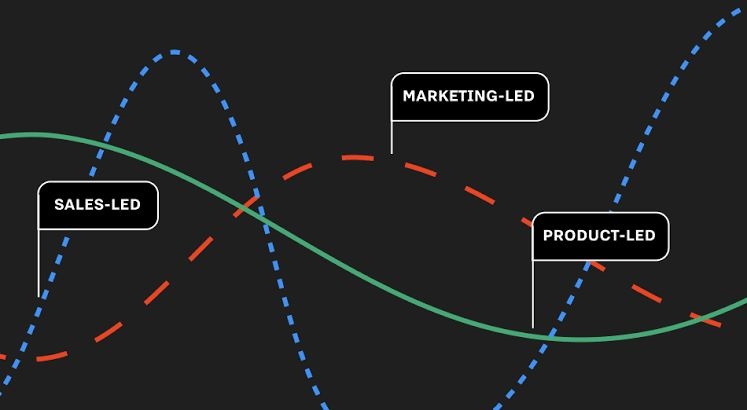
    The truth is that the lines between product-led and sales-led growth are becoming increasingly blurred. Modern buyers expect seamless digital experiences and human guidance when needed. This shift is why businesses today must embrace a blended growth strategy, one that empowers the product to do heavy lifting, while still equipping sales teams to drive value where human touch is essential. 

    Especially for companies targeting multiple customer segments or transitioning into enterprise markets, relying solely on one model can hinder growth. A product that wins with startups may not translate well to Fortune 500 buyers without the involvement of a consultative sales process. 

    This is where the hybrid model shines. It enables organizations to provide low-touch onboarding to SMB customers while supporting enterprise clients with a high-touch, white-glove approach. 

    Building for Both: A Strategic Framework 

    At aa-aspect, we guide our clients through the process of building scalable growth engines that harness the best of both models. This means aligning marketing, product, sales, and customer success teams around a unified data-driven vision. 

    The foundation of this strategy lies in understanding your ideal customer profile (ICP). Not all customers want or need a sales rep. By mapping out the buyer’s journey, you can identify where automation ends and where personal touch begins. 

    We also emphasize the importance of integrating the right digital transformation tools. Data is the bridge between product and sales-led approaches. By leveraging customer usage data, businesses can identify which users are ready for a sales conversation and which can convert organically through well-designed onboarding. 

    In a blended strategy, your product becomes the entry point, but your sales team becomes the accelerant. When sales reps have visibility into user behavior and engagement metrics, they can deliver highly targeted pitches and value-based conversations, making the sales process more efficient and impactful. 

    Considerations for Implementation 

    Adopting a hybrid model is not without challenges. It requires cross-functional alignment, investment in product experience, and robust CRM and analytics infrastructure. Your teams must be trained to understand the nuances of both models and equipped to act on customer signals effectively. 

    Organizational change management is essential. Teams accustomed to one growth model may resist shifts in responsibility or reporting. Leadership must drive a clear narrative around the value of integrated growth strategies and support continuous experimentation and iteration. 

    The Future of Scalable Growth 

    As the business landscape becomes increasingly complex, relying solely on one growth model can limit flexibility and responsiveness. Companies that understand how to orchestrate both product-led and sales-led initiatives are better positioned to adapt, grow, and dominate their markets. 

    At aa-aspect, we specialize in helping businesses navigate this transformation through tailored strategies that merge product excellence with human insight. Whether you’re a startup refining your self-service onboarding or an enterprise building a scalable outbound engine, we can support you in aligning your growth model with your operational capabilities. 

    The goal is not to force a binary choice but to evolve into an organization that is both agile and structured, intuitive and strategic. When done right, blending product-led and sales-led growth doesn’t just add up, it multiplies your impact. 

    Conclusion 

    In the debate between product-led and sales-led growth, the answer isn’t found in extremes but in synergy. By building for both, businesses create a resilient foundation that supports scalable growth across customer segments and market conditions. The future belongs to companies that can balance automation with connection, data with empathy, and product with people. 

    Partner with aa-aspect today to future-proof your growth strategy and build a customer journey that performs across every channel, every touchpoint, and every conversation. 

  •  WHY PROCESS MANAGEMENT IS THE BACKBONE OF SCALABLE GROWTH 

     WHY PROCESS MANAGEMENT IS THE BACKBONE OF SCALABLE GROWTH 

    In today’s competitive business environment, many organizations focus on innovation, marketing, or customer experience to achieve growth. While these elements are crucial, there’s one often-overlooked pillar that makes sustainable, scalable growth possible: effective process management. 

    Whether you’re a startup preparing to scale or an enterprise looking to optimize, process management provides the structure, efficiency, and consistency needed to grow with confidence and control. 

    What Is Process Management? 

    Business Process Management (BPM) is the practice of designing, executing, monitoring, and improving business processes. It involves defining workflows, allocating responsibilities, identifying bottlenecks, and continuously refining operations. 

    A well-managed process ensures that: 

    • Tasks are completed efficiently 

    • Errors are minimized 

    • Roles are clearly defined 

    • Outputs are consistent and measurable 

    In essence, process management is the operational engine that keeps your business running smoothly, even when it scales. 

    How Process Management Enables Scalable Growth 

    • Creates Operational Consistency 

    When processes are defined and standardized, teams perform tasks the same way every time, regardless of who’s involved. This consistency is vital as teams grow, or new hires are onboarded. 

    • Improves Efficiency and Reduces Waste 

    By mapping processes, businesses can identify redundancies, bottlenecks, and non-value-adding steps. This leads to leaner operations that maximize output without increasing costs. 

    •  Enables Better Decision-Making Through Data 

    Defined processes generate measurable outputs. With the right KPIs and process monitoring tools, businesses can make informed decisions, allocate resources better, and respond faster to changes. 

    • Enhances Customer Experience 

    Process management ensures that customer-facing operations, like order fulfilment, service requests, or support, are timely, accurate, and predictable. This builds trust and loyalty. 

    • Supports Agility and Innovation 

    With a strong process foundation, businesses can innovate without chaos. You can introduce new services, enter new markets, or integrate new technologies without disrupting core operations. 

    • Ensures Compliance and Reduces Risk 

    Well-managed processes help ensure compliance with industry standards and regulations (like ISO 9001, GDPR, etc.). Documented workflows also help with audits and reduce operational risk. 

    Common Challenges Without Process Management 

    • Frequent errors and rework 

    • Confused roles and responsibilities 

    • Difficulty training new employees 

    • Inconsistent customer experiences 

    • Poor visibility into performance 

    • Stagnant growth due to inefficiencies 

    How aa-aspect Can Help: 

    At aa-aspect, we specialize in process design, optimization, and management consulting. Our team helps businesses: 

    • Map and document existing processes 

    • Identify inefficiencies and redesign for impact 

    • Implement process automation tools 

    • Establish KPIs and continuous improvement cycles 

    • Foster a culture of operational excellence 

    With the right support, your processes can become a powerful growth engine, not a hidden liability. 

    Key takeaway: 

     Growth Needs a Solid Foundation 

    Business growth isn’t just about scaling revenue, it’s about scaling operations, quality, and value. Without structured process management, growth becomes messy, chaotic, and unsustainable. 

    Process management is not a cost; it’s an investment in future-proofing your business. 

    If you’re looking to grow smarter, not harder, now is the time to strengthen your processes and build a framework that can scale with you. 

  • Digital Transformation in Quality Management | aa-aspect 

    Digital Transformation in Quality Management | aa-aspect 

    Discover how digital transformation enhances quality management. Learn how AI, IoT, and real-time data improve QMS efficiency, compliance, and customer satisfaction. 

    In today’s hyper-competitive, data-driven economy, maintaining consistent product and service quality is more than a regulatory requirement, it’s a strategic advantage. As businesses strive to deliver excellence, digital transformation has emerged as a critical enabler of modern quality management systems (QMS). From real-time data analytics to AI-driven process optimization, digital tools are redefining how quality is measured, monitored, and improved. 

    This article explores the transformative role of digital technologies in quality management, highlighting their impact on efficiency, accuracy, customer satisfaction, and competitive edge. 

    What is Digital Transformation in Quality Management? 

    Digital transformation in quality management refers to the integration of advanced digital technologies, such as cloud computing, big data, artificial intelligence (AI), machine learning (ML), and Internet of Things (IoT), into the processes and systems that manage and ensure product or service quality. 

    This evolution replaces traditional manual or paper-based systems with automated, real-time, intelligent solutions that empower businesses to make faster and smarter decisions. 

    Key Benefits of Digital Transformation in Quality Management 

    • Real-Time Monitoring and Data Collection 

    Digital transformation enables continuous monitoring of operations via sensors, IoT devices, and machine data. Instead of waiting for end-of-line inspections, quality issues can be identified and corrected in real-time—minimizing waste and production delays. 

    • Predictive and Preventive Quality Control 

    With machine learning algorithms, organizations can analyze historical and real-time data to predict potential quality failures before they occur. This shift from reactive to preventive quality assurance significantly reduces risk and boosts operational resilience. 

    • Enhanced Compliance and Traceability 

    Digital tools help ensure regulatory compliance by automatically documenting processes and storing data securely. This makes audits faster and more accurate while improving traceability across the supply chain. 

    • Improved Collaboration and Transparency 

    Cloud-based quality management software allows teams across departments and geographies to access, update, and review quality data collaboratively. Enhanced visibility leads to better alignment, quicker resolution of issues, and a culture of accountability. 

    • Cost Reduction and Operational Efficiency 

    Automating quality processes such as inspections, reporting, and documentation reduces manual labor, human error, and rework costs. Over time, this results in significant savings and optimized resource utilization. 

    Digital Tools Transforming Quality Management 

    Here are some popular technologies playing a major role in transforming quality management: 

    • ERP-integrated QMS platforms 
    • AI-powered defect detection systems 
    • Mobile quality apps for on-the-go inspection 
    • Cloud-based dashboards for KPI tracking 
    • Blockchain for secure and transparent data records 
    • Digital twins to simulate and test processes before implementation 

    Industries Leading the Way 

    Industries like manufacturing, automotive, aerospace, pharmaceuticals, and healthcare are rapidly embracing digital transformation in quality management. The ability to maintain strict compliance, reduce downtime, and deliver superior products makes digital QMS adoption a no-brainer. 

    Challenges and Considerations 

    While the benefits are vast, the shift to digital quality management is not without challenges: 

    • Change resistance among employees 
    • Initial cost of technology implementation 
    • Cybersecurity risks with cloud and IoT data 
    • Integration complexity with legacy systems 

    A successful transformation requires a clear digital strategy, strong leadership, training programs, and scalable tools that align with business goals. 

    The Future of Quality Management is Digital 

    As industries become more interconnected and customer expectations rise, digital transformation in quality management will become essential rather than optional. Organizations that embrace digital QMS today will gain the agility to innovate faster, respond to defects more proactively, and consistently deliver high-quality products and services. 

    Conclusion 

    Digital transformation is reshaping quality management across every industry. With tools like real-time monitoring, predictive analytics, automated compliance tracking, and cloud-based collaboration, the shift toward smart quality systems is no longer optional, it’s a strategic necessity. 

    At aa-aspect, we specialize in helping organizations navigate this transformation with confidence. By integrating cutting-edge digital quality solutions tailored to your unique operations, we empower you to enhance efficiency, exceed customer expectations, and build a resilient foundation for long-term success in a constantly evolving marketplace. 

    Partner with aa-aspect, where innovation

  • Optimizing Process Performance by Identifying and Eliminating Operational Bottlenecks 

    Optimizing Process Performance by Identifying and Eliminating Operational Bottlenecks 

    In the dynamic and rapidly evolving business landscape of today, operational efficiency is not a luxury, it’s a necessity. Companies striving for continuous growth must ensure their internal processes are streamlined, scalable, and capable of delivering consistent results. However, even the best-designed processes can suffer from bottlenecks, those critical points where work slows down, piles up, or grinds to a halt. 

    Understanding, identifying, and eliminating these bottlenecks is essential for optimizing process performance, improving customer satisfaction, and achieving sustainable business success. 

    What is a Bottleneck? 

    A bottleneck refers to a point in a process where the flow of operations is restricted or slowed, leading to delays, reduced throughput, and increased operational costs. Think of it like the narrowest part of an actual bottle, it controls how fast (or slow) everything can flow through. 

    Bottlenecks can be: 

    • Short-term (temporary resource limitations, equipment breakdowns) 
    • Long-term (systemic issues like outdated processes, chronic understaffing, or poor planning) 

    Either way, if not addressed, they can cause significant harm to process performance and overall organizational effectiveness. 

    Causes of Operational Bottlenecks 

    • Understanding the root causes is crucial. Common culprits include: 
    • Insufficient resources (equipment, personnel, materials) 
    • Inefficient workflows or poor process design 
    • High variability in work demand or processing time 
    • Lack of employee training or unclear task ownership 
    • Outdated technology or manual-intensive tasks 
    • Poor communication between departments or teams 

    How to Identify Bottlenecks 

    Effective bottleneck analysis involves both observation and data collection. Here are some proven methods: 

    • Process Mapping: Visualize the entire workflow using tools like flowcharts, value stream mapping (VSM), or swim lane diagrams to pinpoint slow areas. 
    • Capacity Analysis: Evaluate each step’s capacity versus actual workload. Steps consistently operating over 100% capacity are prime suspects. 
    • Lead Time and Cycle Time Measurement: Compare how long each process step should take versus how long it actually takes. 
    • Observation and Interviews: Often, frontline workers know exactly where the problems are. Regularly walk the floor, ask questions, and listen. 
    • Monitoring Work-In-Progress (WIP): A high amount of unfinished work piling up at a certain stage indicates a bottleneck. 

    Strategies to Eliminate Bottlenecks 

    Once bottlenecks are identified, the next step is strategic intervention. Here are several approaches: 

    •  Increase Capacity: Add more resources, machines, staff, or time at the constrained step. 
    • Process Redesign: Simplify, automate, or eliminate unnecessary steps to streamline the flow. 
    • Load Balancing: Redistribute tasks more evenly across teams or machines to prevent overloads. 
    • Employee Training: Skill gaps often cause slowdowns; targeted training can significantly improve throughput. 
    • Technology Integration: Invest in automation tools, workflow management software, or other tech solutions that accelerate processing. 
    • Buffer Management: Place controlled buffers before bottleneck points to smooth input flow without overwhelming the system. 

    Real-World Example: Manufacturing Assembly Line 

    In a manufacturing plant, a final assembly station was consistently slower than upstream production. Workers were overburdened, errors increased, and finished goods were delayed. 

    Findings: 

    • Assembly was a manual process with minimal tooling support. 
    • Inspection and assembly tasks were bundled together. 

    Solution: 

    • Split inspection from assembly to two separate teams. 
    • Introduced semi-automated tools to assist with manual tasks. 
    • Cross-trained workers to handle multiple roles flexibly. 

    Result: 

    • Assembly cycle time dropped by 30%. 
    • On-time delivery rates improved by 25%. 
    • Worker satisfaction increased due to reduced stress. 

    Why Bottleneck Management Matters 

    Eliminating bottlenecks isn’t just about faster production or service, it’s about creating an organization that is: 

    • Agile enough to handle changes in demand. 
    • Efficient enough to reduce waste and increase profitability. 
    • Resilient enough to maintain consistent quality under pressure. 
    • Companies that actively manage and optimize their processes build a strong competitive advantage that extends across their entire value chain. 

    Final Thoughts 

    Optimizing process performance begins with recognizing and resolving operational bottlenecks. It requires a combination of sharp observation, strategic thinking, and the willingness to invest in continuous improvement. 

    If your business feels like it’s constantly “stuck in traffic,” it’s time to take a closer look at your bottlenecks, and clear the way for smoother, faster, and more effective operations. 

    At aa-aspect, we specialize in process improvement, bottleneck analysis, and performance optimization. Ready to supercharge your operations? Good, because we at aa-aspect are here for you. 

  • Crack the Code of Risk with FMEA

    Crack the Code of Risk with FMEA

    In demanding industries where quality, safety, and efficiency are paramount, proactively identifying and mitigating potential issues is critical. Failure Mode and Effects Analysis (FMEA) offers a powerful solution. For engineers, project managers, and quality assurance professionals alike, mastering FMEA can unlock superior designs, safer systems, and more dependable processes. 

    What Is FMEA? 

    FMEA (Failure Mode and Effects Analysis) is a systematic and proactive methodology for identifying potential failures within a process, product, or system. This structured approach analyzes the potential consequences of each failure mode, serving as a critical tool for risk assessment and quality management. Which is widely adopted in industries such as automotive, aerospace, manufacturing, and healthcare, FMEA aims to prevent failures by evaluating potential weaknesses, understanding their impact, and implementing preventative measures to reduce associated risks. 

    Key Concepts in FMEA 

    Let’s explore the core ideas behind FMEA using simple language. 

    • Failure Mode: 

    A failure mode describes the specific way in which a process or product can malfunction or not meet its intended purpose. To illustrate, “brake pad wear” is a failure mode that can occur in a car’s braking system. 

    • Effect of Failure 

    The failure mode’s effect describes the consequences of its occurrence. For example, if worn brake pads are the failure mode, the resulting effect could be reduced braking efficiency. 

    • Cause of Failure 

    To understand the potential reasons for the failure, we need to identify the root causes. In our example, a possible cause of the failure could be a “lack of routine maintenance.” 

    • Risk Priority Number (RPN) 

    The Failure Mode and Effects Analysis (FMEA) employs a scoring system to prioritize potential risks. This system culminates in a Risk Priority Number (RPN), which is calculated based on three key factors: 

    • Severity (S): How serious is the failure? 
    • Occurrence (O): How likely is it to happen? 
    • Detection (D): How likely are we to detect it before it happens? 

    RPN = S × O × D 
    The higher the RPN, the more urgent the need for corrective action. 

    Types of FMEA 

    There are different flavors of FMEA depending on the focus area: 

    • Design FMEA (DFMEA): Evaluates risks during product design. 
    • Process FMEA (PFMEA): Assesses potential failures in manufacturing or business processes. 
    • System FMEA: Looks at entire systems and their interactions. 

    Why FMEA Matters 

    Prevents costly failures before they reach the customer. 

    • Improves product reliability and customer satisfaction. 
    • Supports regulatory compliance and audit readiness. 
    • Enhances team collaboration and problem-solving skills. 

    It’s not just a tool; it’s a mindset of proactive quality assurance. 

    Let see FMEA in Action: A Simple Example 

    Regarding chocolate cake production in a bakery, a failure mode analysis might identify “dry cake” as a potential issue. The effect of this failure is reduced customer satisfaction. The root cause could be excessive baking time. 

    Assessment: 

    • Severity = 7 (customer won’t return) 
    • Occurrence = 6 (happens often during peak hours) 
    • Detection = 5 (hard to catch without tasting) 

    RPN = 7 × 6 × 5 = 210 

    With that high score, you’d prioritize a fix, maybe train staff or install a moisture sensor in ovens. 

     Best Practices for FMEA 

    • Involve cross-functional teams (engineering, QA, operations). 
    • Keep it data-driven, not assumption-based. 
    • Treat FMEA as a living document, update it as processes evolve. 
    • Don’t ignore low RPNs; sometimes, a high-severity low-frequency failure can be critical. 

    Using FMEA as a Competitive Advantage 

    With the current hyper-competitive market, where flawless execution is demanded and alternatives are readily available, proactive risk management offers a significant competitive advantage. By implementing methodologies like FMEA, organizations can move beyond reactive problem-solving to proactively prevent issues from arising in the first place. Regardless of the complexity of the operation, from aerospace engineering to culinary arts, the core principle remains to identify potential failures, evaluate their consequences, and mitigate them before they escalate into critical problems. 

    Key Takeaway: 

    FMEA is not just a document; it’s a proactive mindset. Integrating it early and consistently allows organizations to build systems that are safer, more intelligent, and better equipped to withstand challenges. For those new to quality and process improvement, developing expertise in FMEA is a highly effective starting point… feeling lost?  

    Look no further be we at aa-aspect are here for you, we are expert at FMEA coaching, project and product management and we will make your business journey a smooth one.  

  • THE PRODUCT PLAYBOOK: WINNING STRATEGIES FOR BUSINESS GROWTH 

    THE PRODUCT PLAYBOOK: WINNING STRATEGIES FOR BUSINESS GROWTH 

    Product failure is a harsh reality of the business world. Even with meticulous planning and significant investment, products can miss the mark. We live in an age of innovation. New products, apps and services. countless hours of work, and immense passion are poured into bringing these ideas to life. 

    Yet, statistically, most new products fail. Estimates vary, but it’s widely accepted that a significant majority – some say as high as 80% or 90% – never achieve significant market traction or sustainability. The marketplace is littered with the ghosts of once-promising ideas. 

    While no single factor guarantees failure, a combination of these common pitfalls often leads to disappointing results, according to the project management institute, success starts with smart project management. Yet, countless products still flop… why? 

    • LACK OF INTERNAL ALIGNMENT: A successful product requires a unified team, working towards a shared vision. When this internal synchronization is absent, the product’s journey is fraught with peril before it even meets the customer. 
    • HALLOW MARKET RESEARCH: Companies often develop products based on assumptions about what consumers want, failing to validate these assumptions through data. Without understanding the target audience, their preferences, pain points, and behaviors, a product may miss the mark entirely. 
    • ABYSMAL PRODUCT DESIGN: A product’s design and functionality play a critical role in its success. If a product is cumbersome, confusing, or poorly constructed, consumers are unlikely to embrace it, regardless of its potential. Effective design should prioritize user experience 
    • INSUFFICENT TESTING AND QUALITY ASSURANCE: A seemingly minor oversight in this critical area can cascade into catastrophic consequences, impacting brand reputation, customer loyalty, and ultimately, the bottom line. 
    • CUTTHROAT COMPETITION: The market is often crowded and competitive, making it difficult for new products to stand out. Companies may struggle to differentiate their product from existing ones, leading to a lack of traction. 
    • INADEQUATE MARKETING STRATEGIES: The best products can fail if they are not marketed effectively. Businesses may underestimate the importance of marketing or adopt strategies that do not align with the target market. A strong marketing campaign goes beyond simple promotion; it must communicate the product’s unique value proposition effectively.  

    BEATING THE ODDS 

    • Master project planning and use smart management tools 
    • Delve deep into market research 
    • Define a clear product vision and strategy 
    • Cultivate strong, decisive leadership 
    • Build a resilient and adaptive team 
    • Develop a strategic marketing strategy 

    PROACTIVE MEASURES 

    Let’s be honest: failure is expensive. This isn’t just about wasted resources; it’s about the ripple effects. A failed product launch can erode customer trust, stifle innovation, and hinder growth. This is where aa-aspect steps in. Founded on the principle of proactive prevention, aa-aspect exists to stop failures in their tracks. We don’t view challenges as inevitable; we see them as opportunities for strategic intervention. By leveraging our expertise, we help organizations build resilient frameworks that turn potential risks into pathways for success.